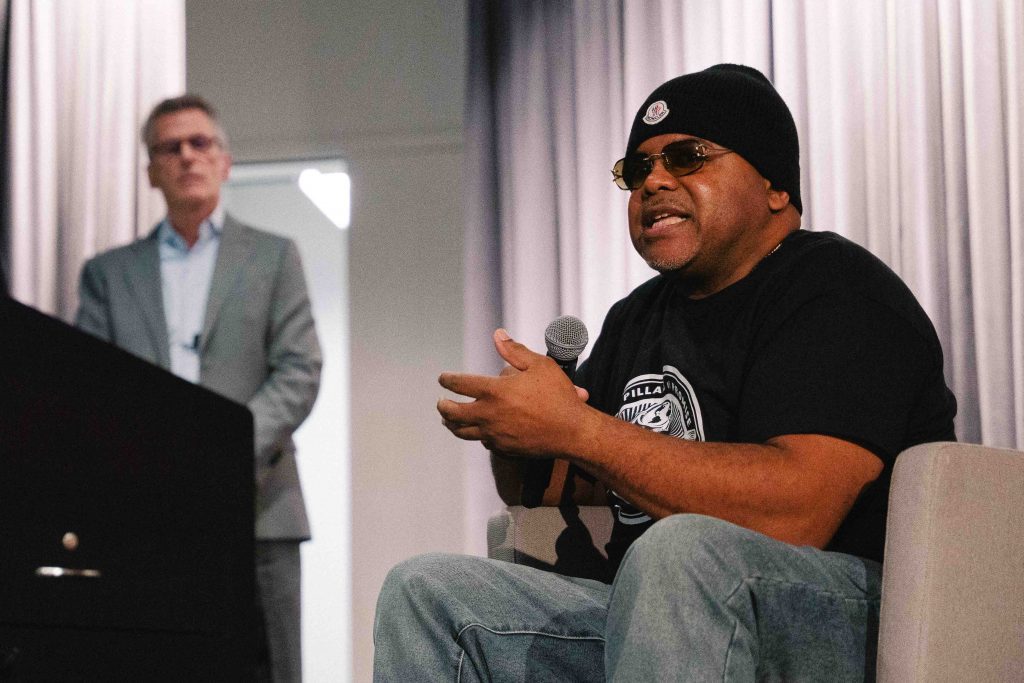
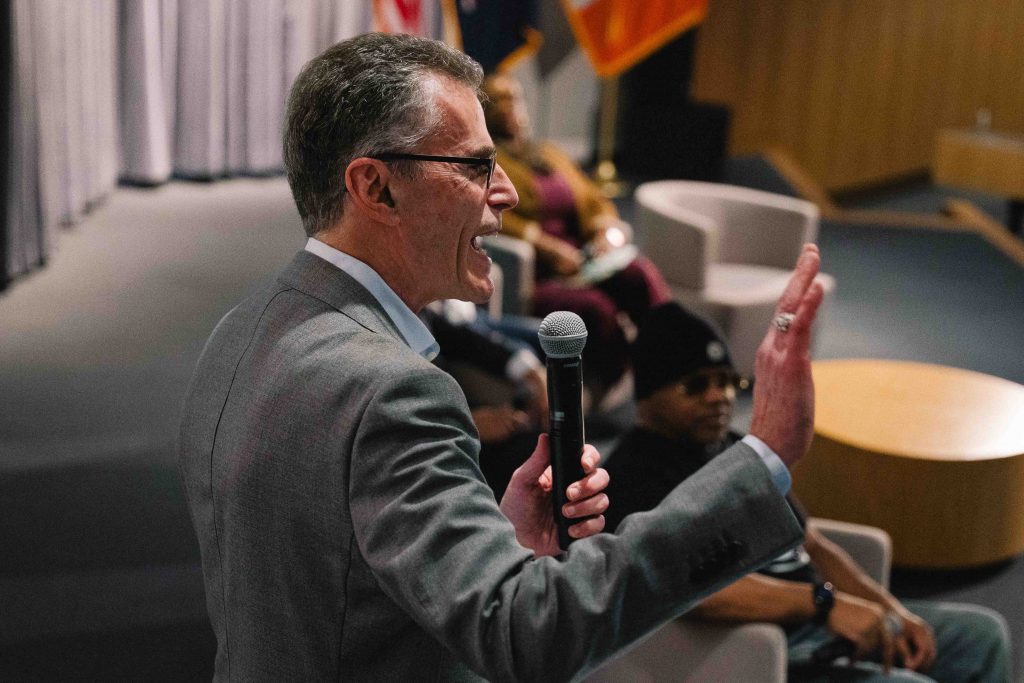
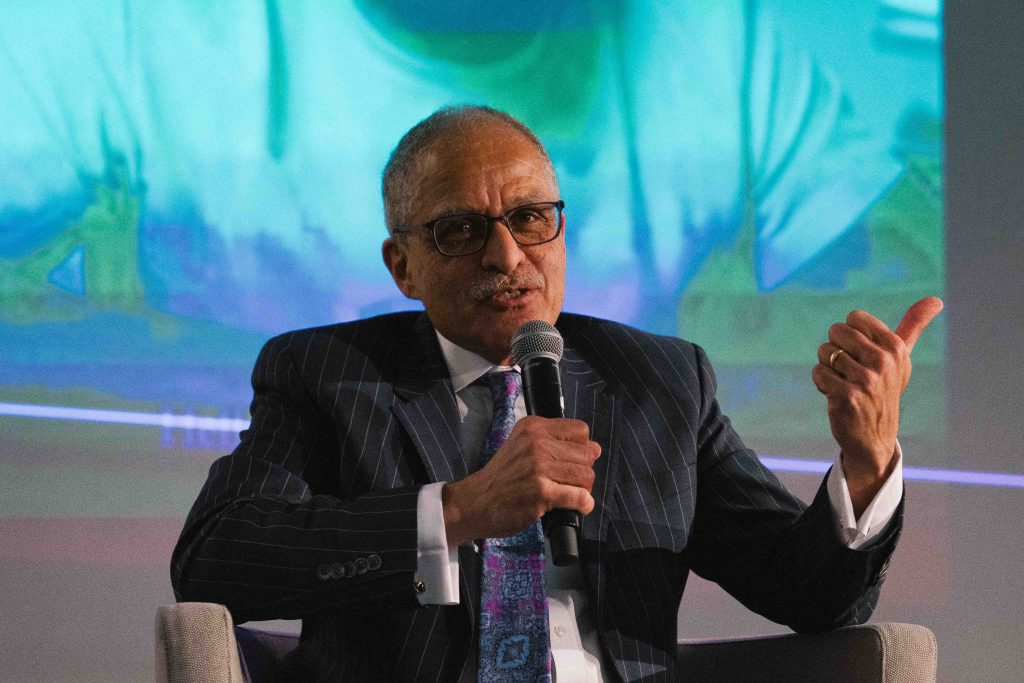
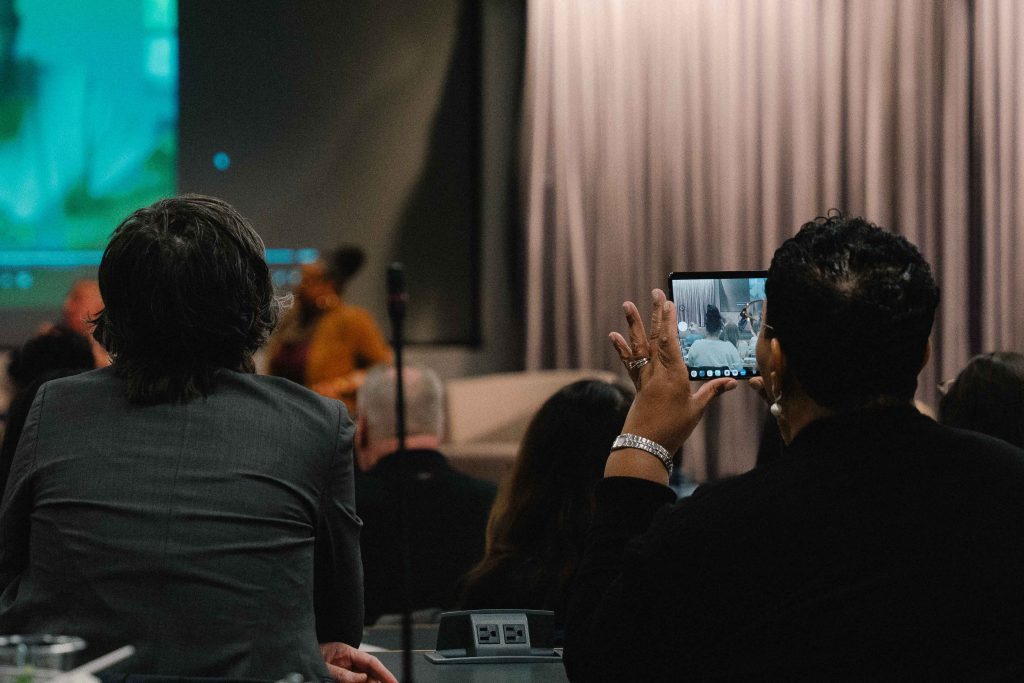
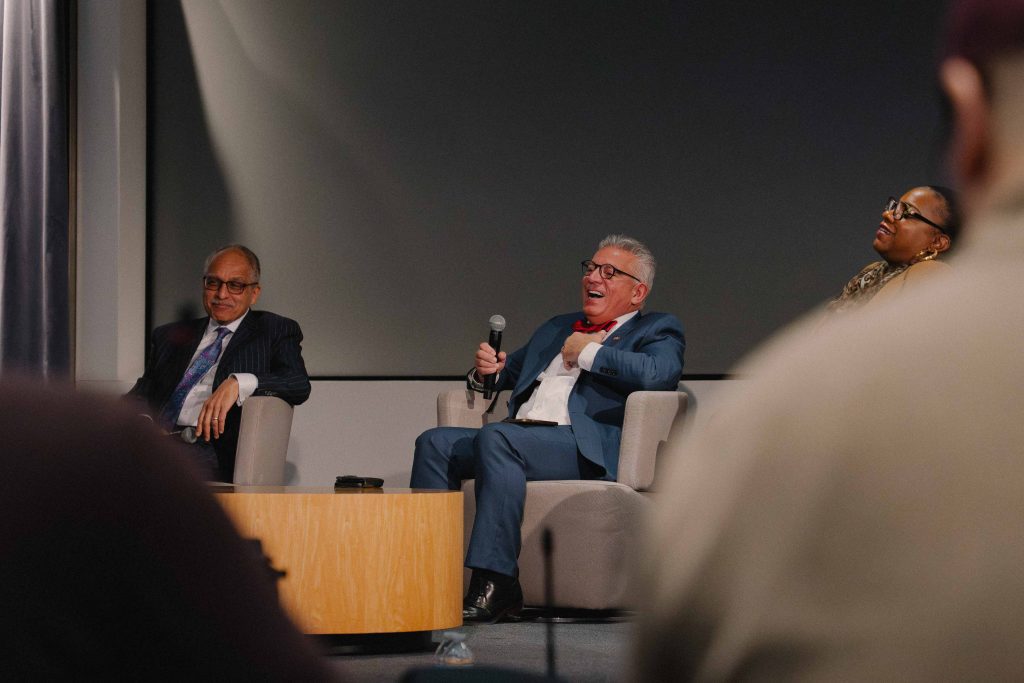
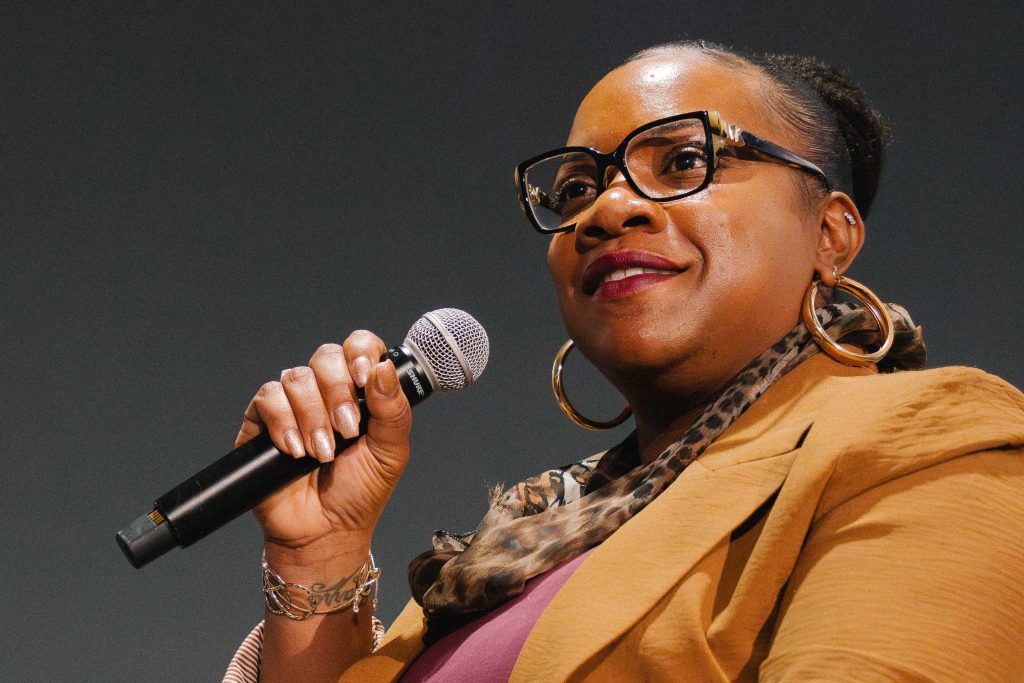
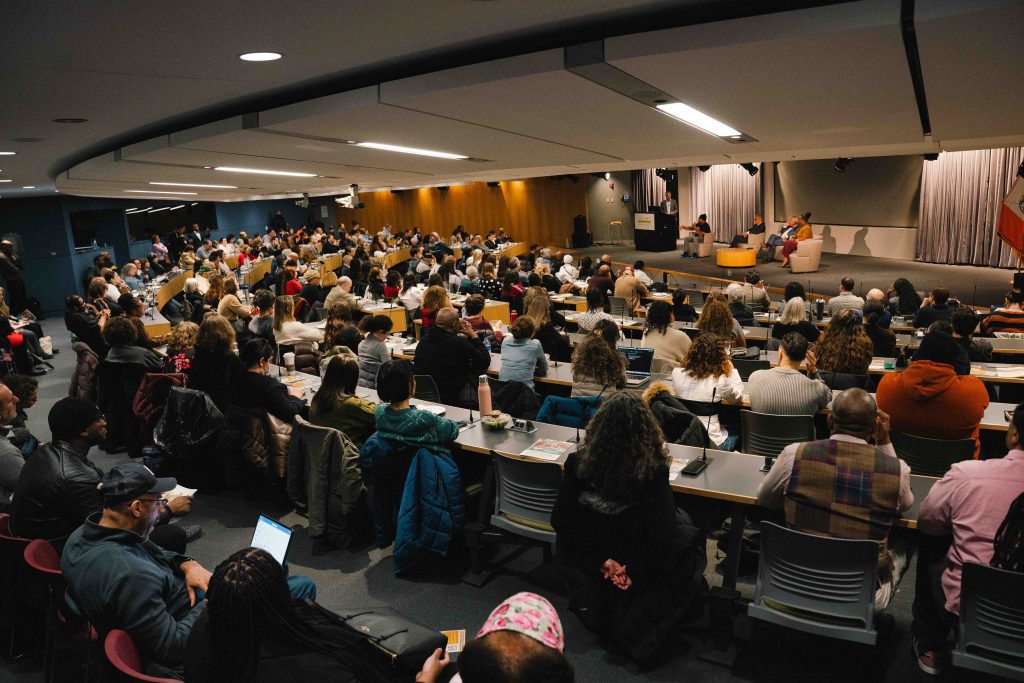
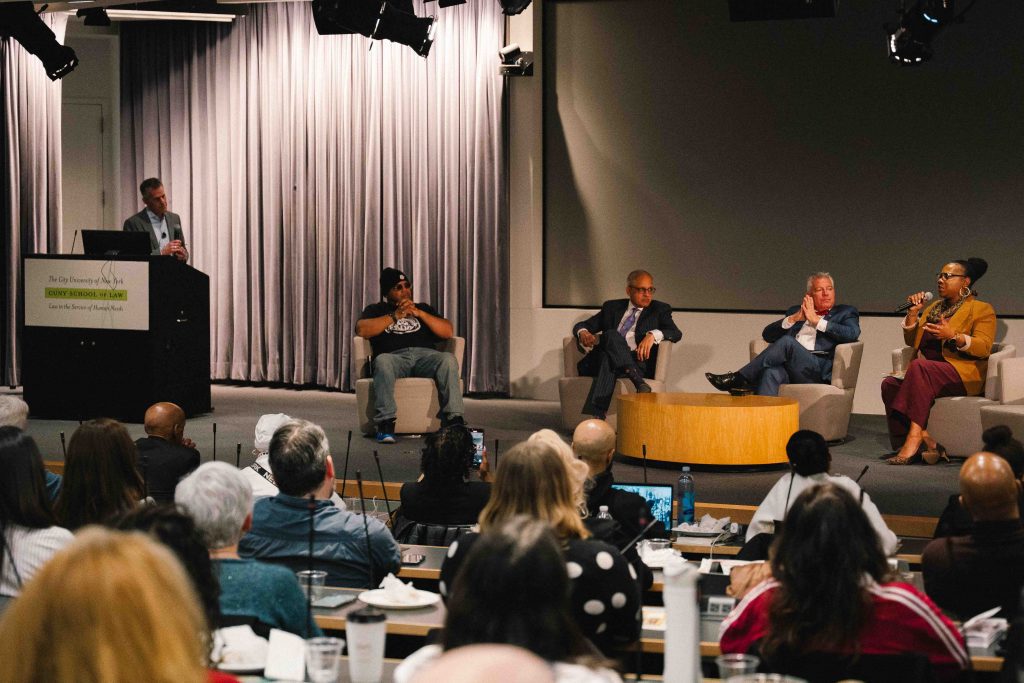
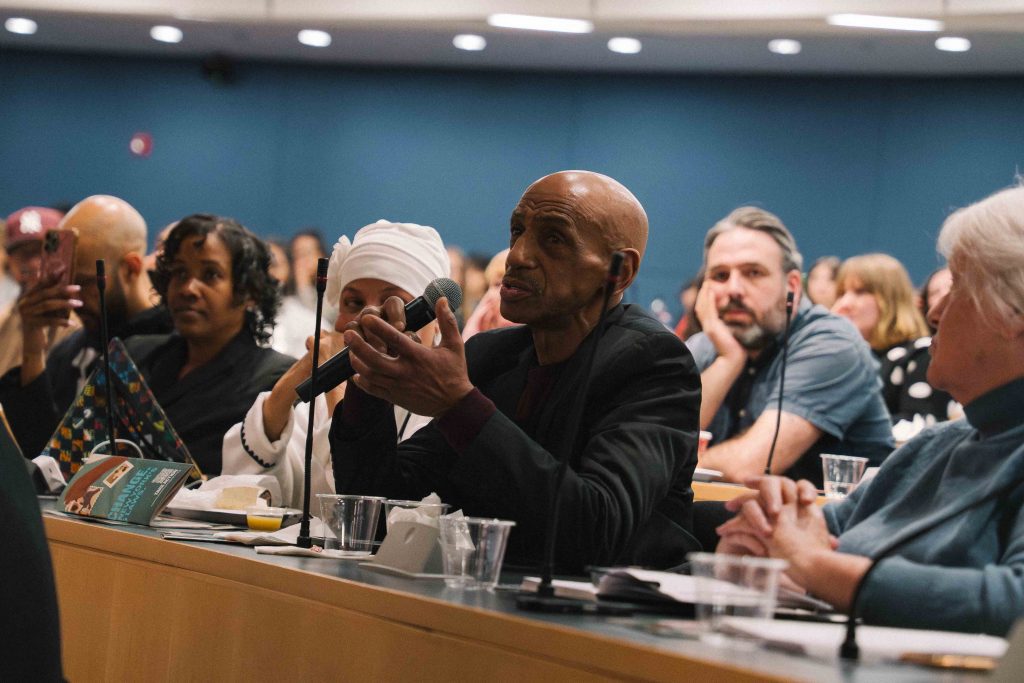
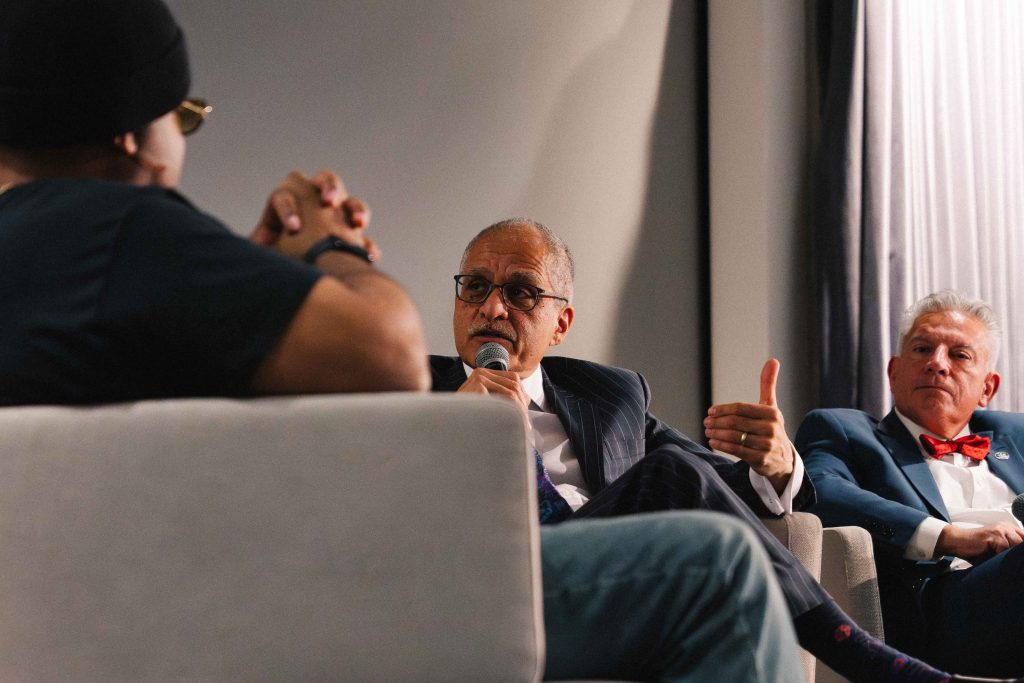
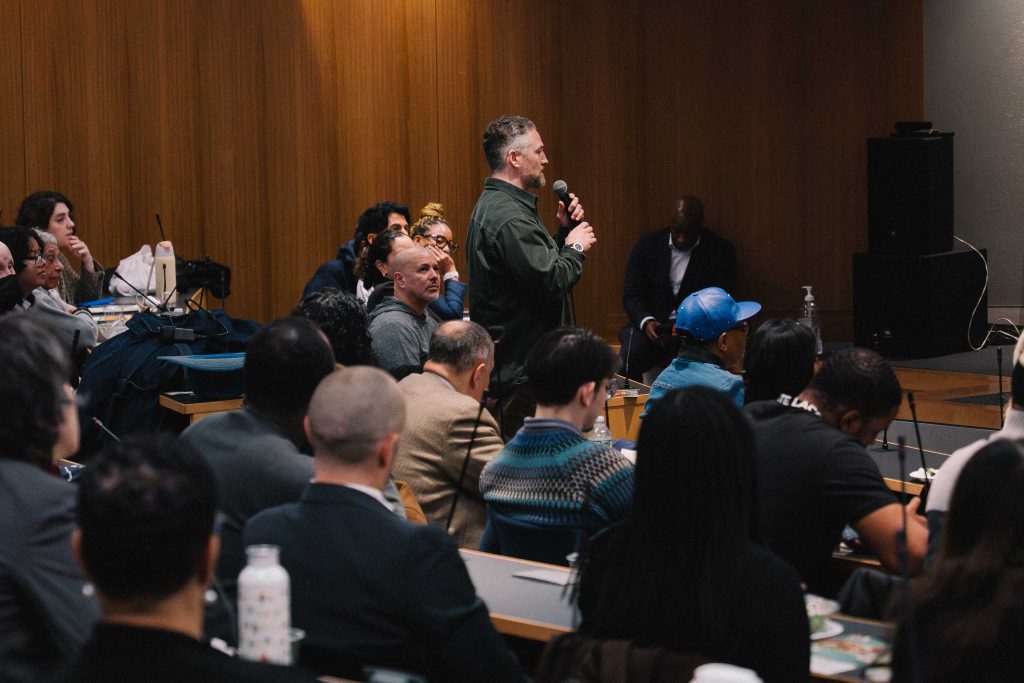
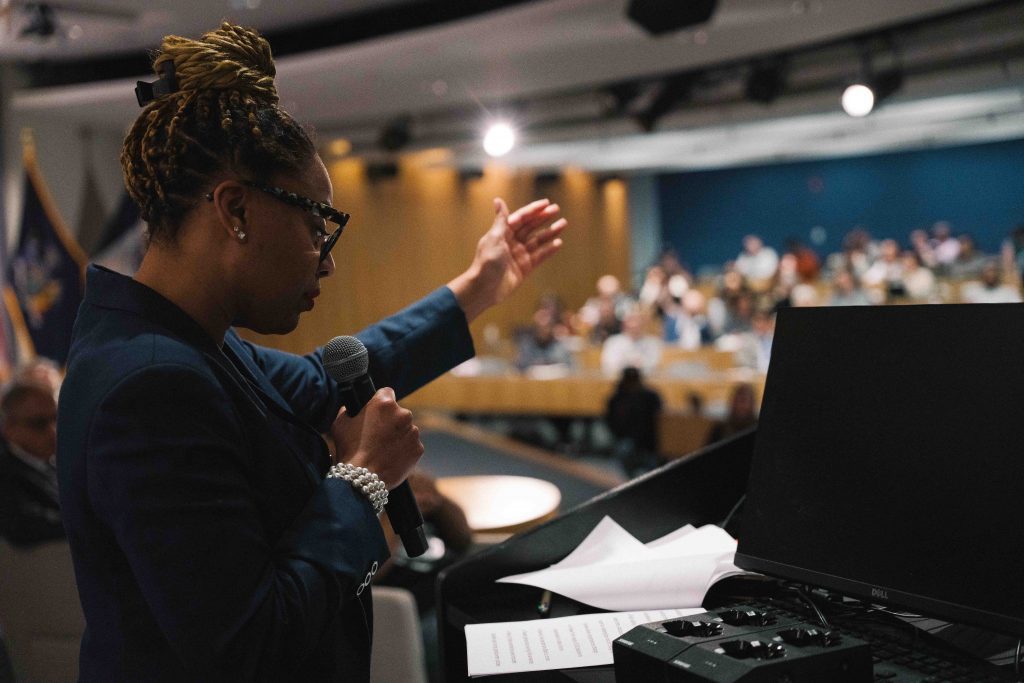
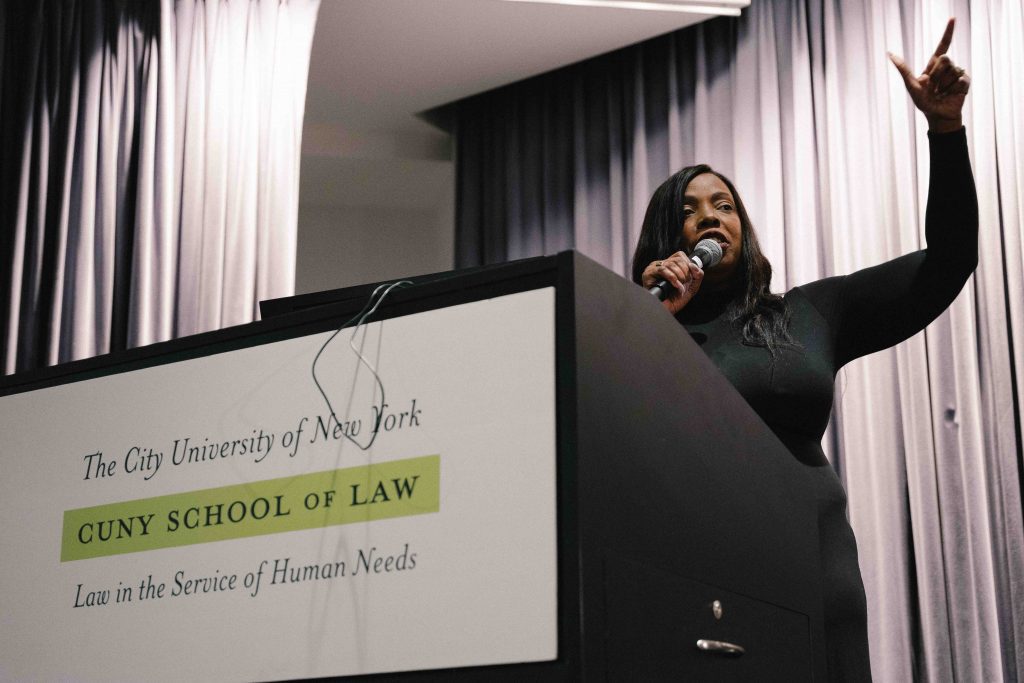
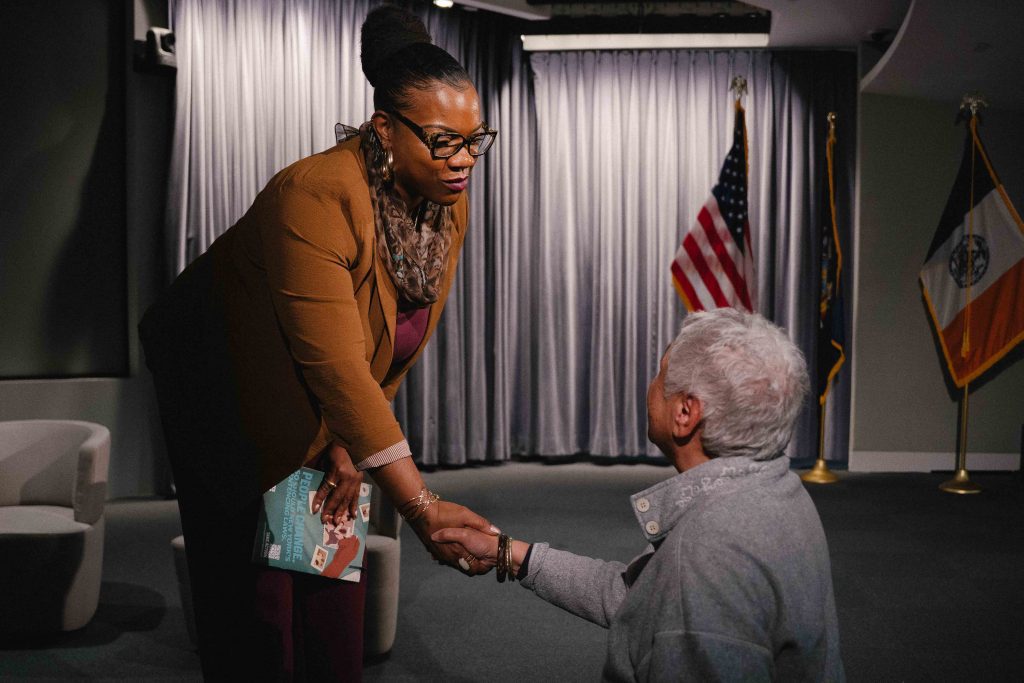
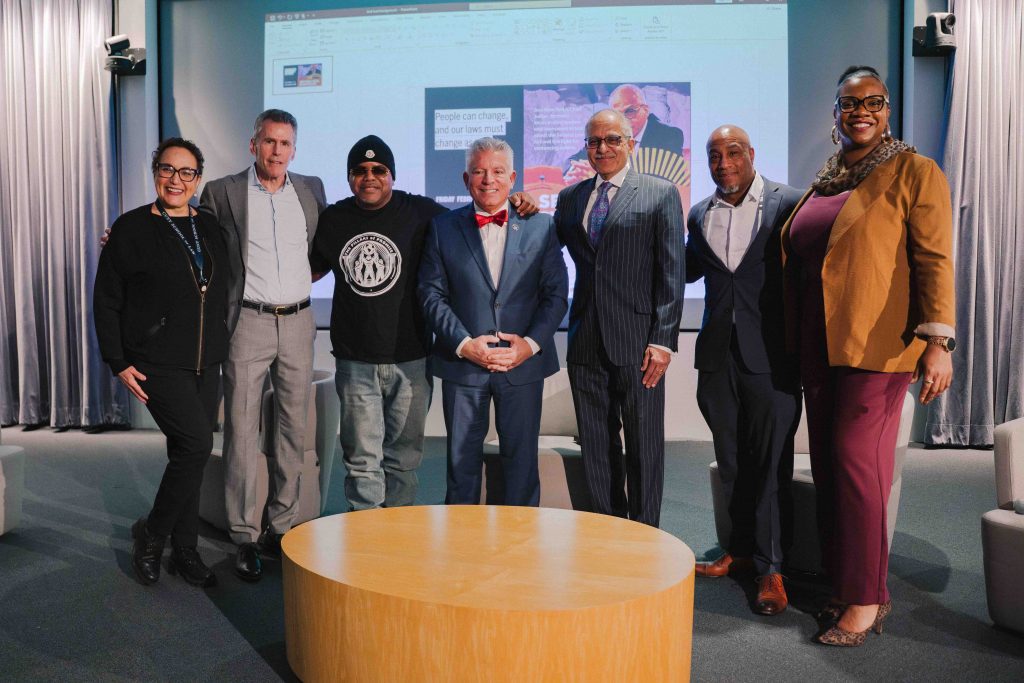
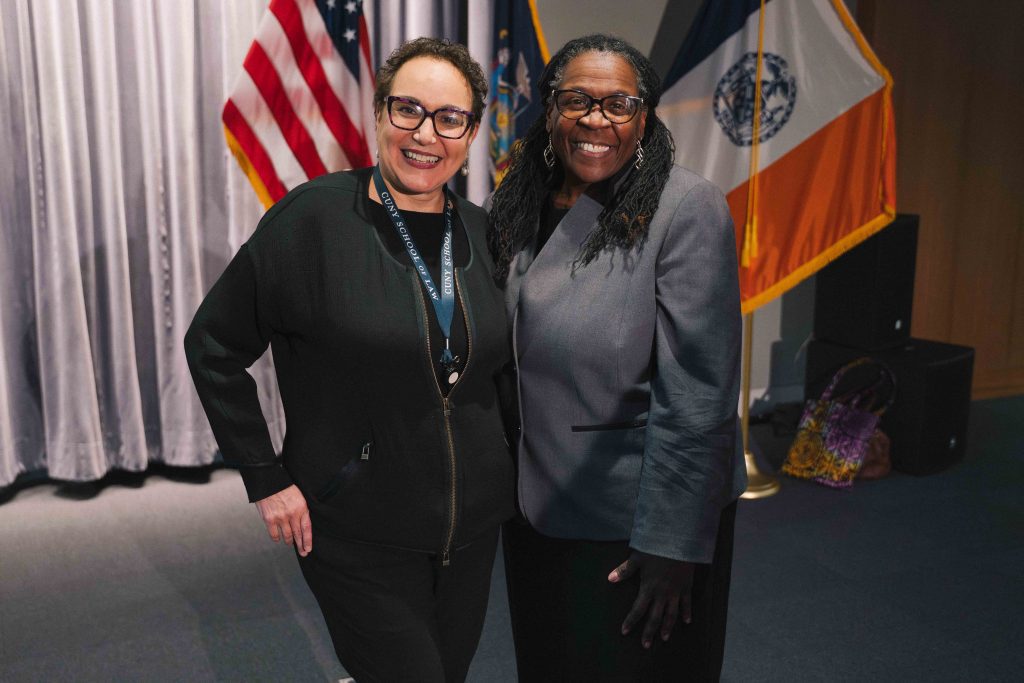
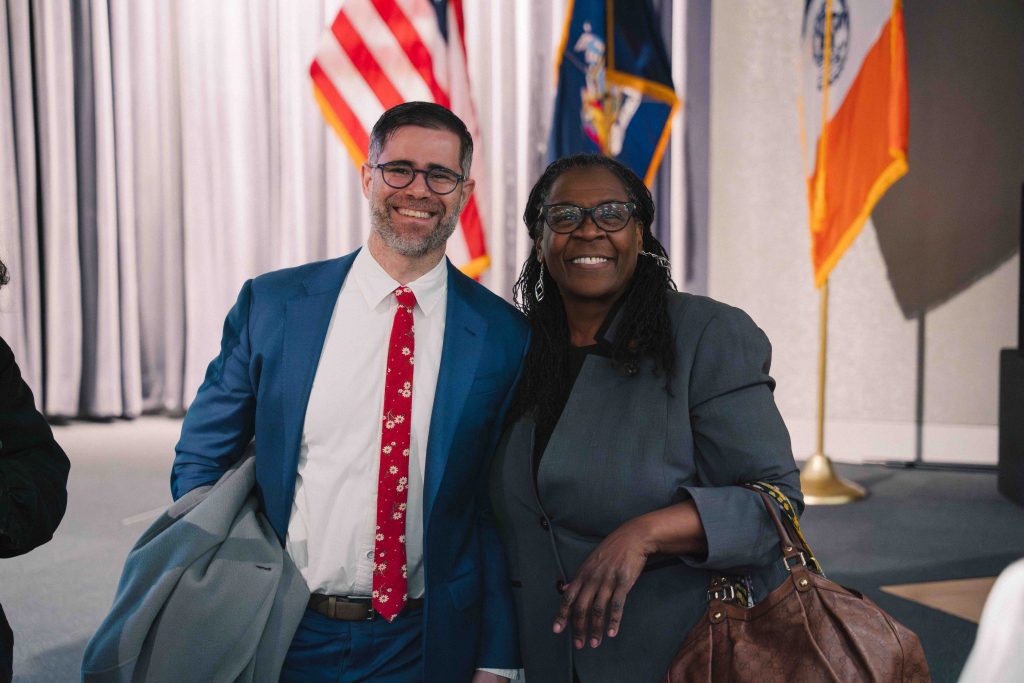
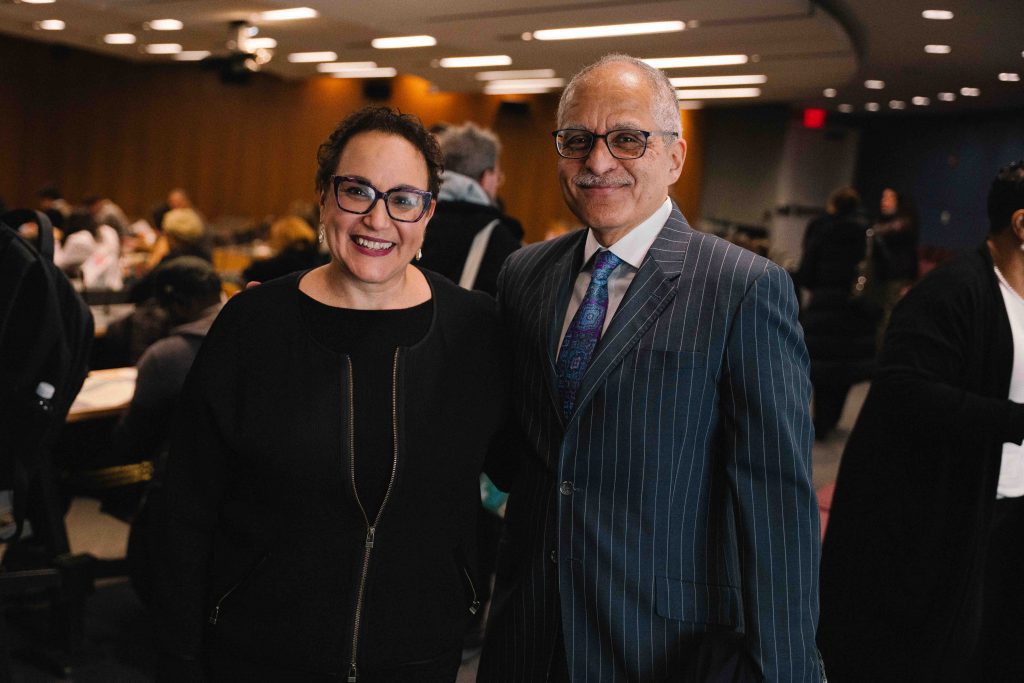
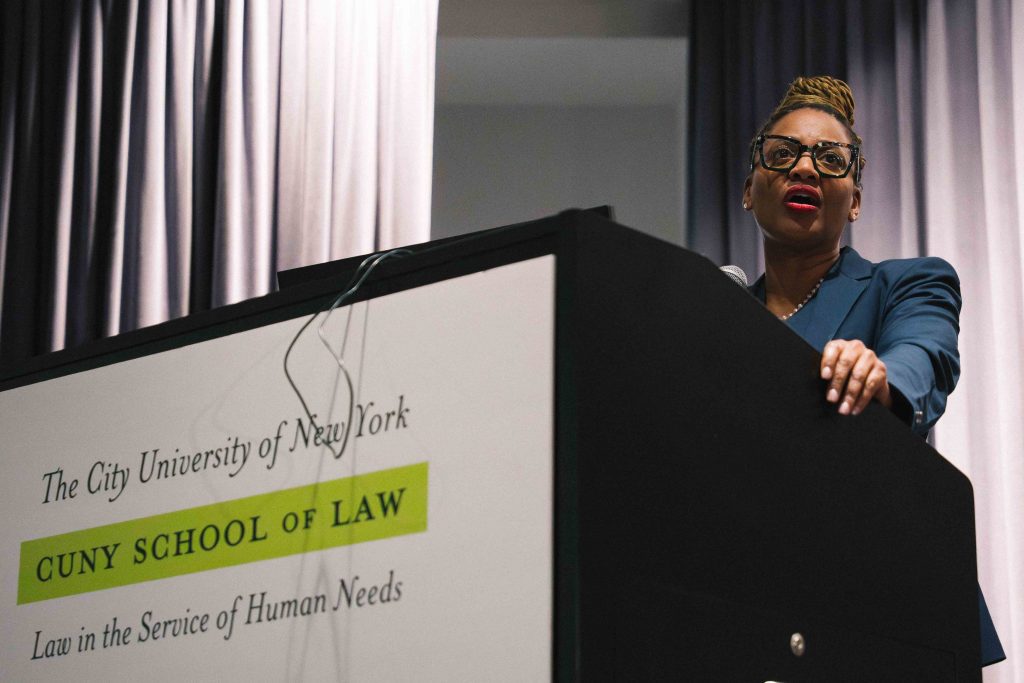
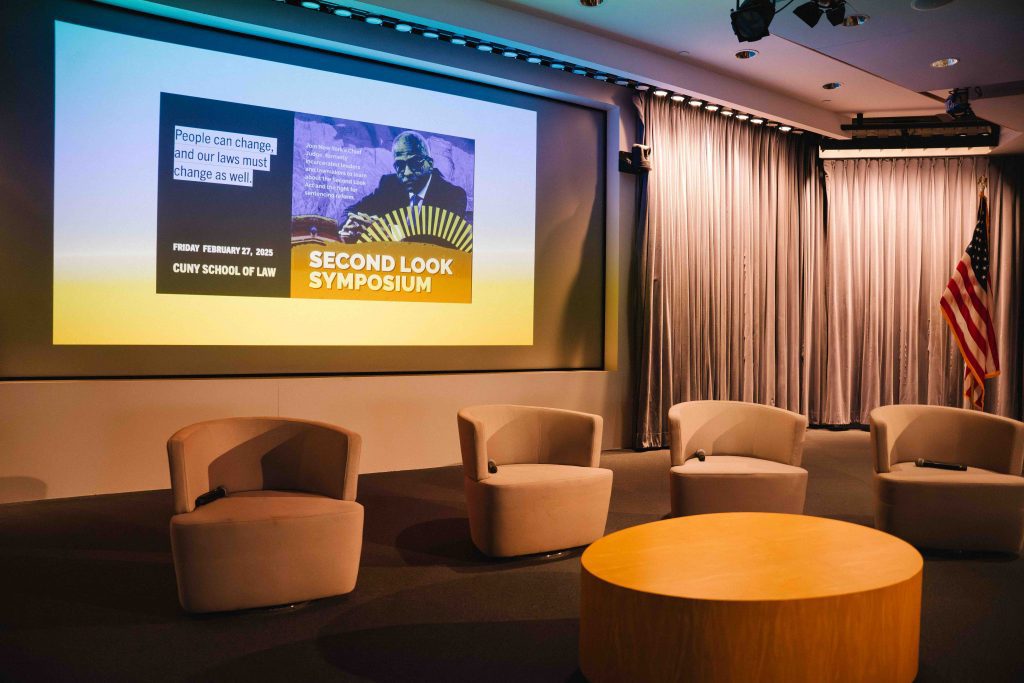
Led by CUNY Law’s Second Look Project, the convening brought together leaders from the judiciary, legislature, and advocacy community while highlighting the clinical work students are contributing to sentencing reform across New York State
Watch the recording of the Second Look Symposium in full via YouTube
CUNY School of Law hosted a Second Look Symposium on February 27 that brought judges, legislators, advocates, and directly impacted New Yorkers together to examine New York’s proposed Second Look Act. The conversation reflected work already underway at CUNY Law, where students in the Second Look Project represent incarcerated clients, prepare clemency petitions, and work alongside community advocates pushing for sentencing reform across New York State.
The event was organized by CUNY Law’s Second Look Project, led by Professor Steve Zeidman, in partnership with Communities Not Cages and the Center for Community Alternatives. The project is part of the law school’s Defenders Clinic, a cornerstone of the clinical program, where students work directly on clemency petitions, post-conviction advocacy, and sentencing review efforts for people serving lengthy prison terms across New York State.
Interim Dean and Professor of Law Natalie Gomez-Velez opened the symposium by situating the conversation within CUNY Law’s motto of law in the service of human needs. The Second Look Project, she noted, reflects a central premise of that mission: that the law must leave room to recognize change.
“Today’s symposium brings together leaders from the courts, elected officials, advocacy organizations, and directly impacted communities,” said Interim Dean Gomez-Velez. “The work of the Second Look Project and our clinical programs reflect the belief that fairness includes the possibility of redemption and review.”
Professor Zeidman moderated the conversation, anchoring the day in the urgency of the need for legislative reform. “Last year we had over 1,100 requests for help. This is a crisis of people who are consigned to die behind bars unless we take some sort of action,” said Professor Zeidman. He went on to explain that under current law, people serving extreme sentences generally have only one path to relief: arguing that their sentence was illegal. “The sad reality,” he said, “is that a sentence can be inhumane or barbaric and yet still be legal.”
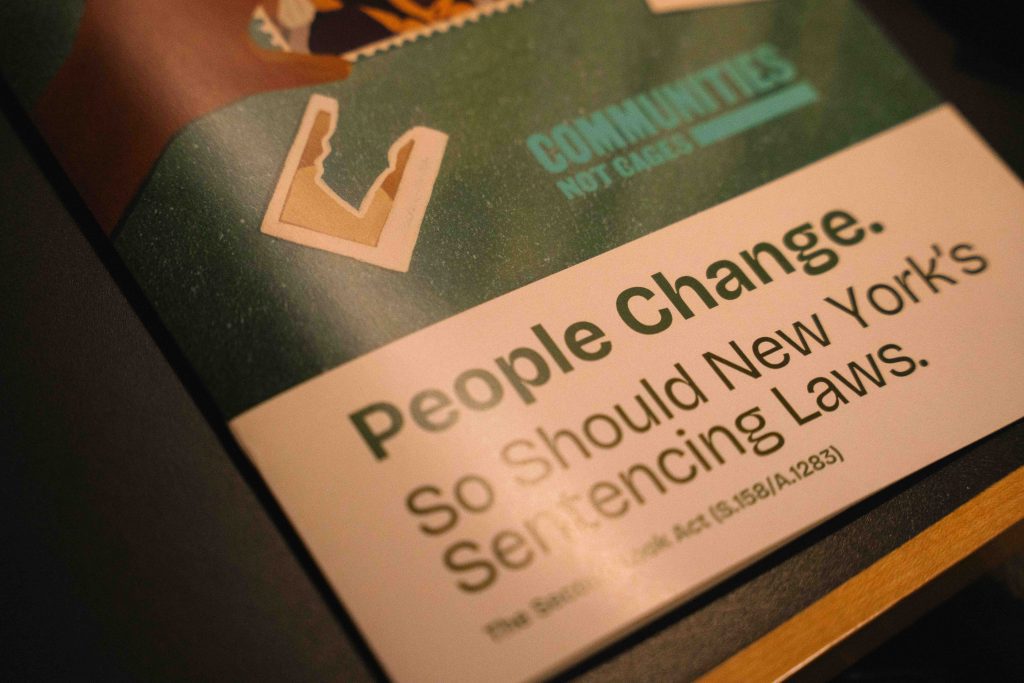
The proposed Second Look Act would allow judges to reconsider lengthy sentences after a person has served a significant period of time. The legislation does not guarantee release, but creates a process for courts to evaluate evidence of rehabilitation and public safety and decide if the interests of justice compel a sentence reduction.
Patrick Stevens of the Center for Community Alternatives, who served 25 years to life before being released in 2022, described the scale of the issue. Thousands of people in New York prisons are serving decades-long sentences, many imposed when they were teenagers or young adults. Stevens emphasized that the proposed legislation is designed to allow judges to evaluate individuals as they are now, rather than solely through the lens of a decades-old conviction.
The symposium featured remarks from Chief Judge Rowan Wilson and Chief Administrative Judge Joseph Zayas of the New York State Unified Court System, who discussed the role of judicial discretion and the challenges of sentencing decisions made years or decades earlier.
Judge Wilson noted that sentencing often requires courts to make predictions about a person’s future that are inherently uncertain. Judge Zayas reflected on his experiences as both a legal aid attorney and a judge, emphasizing the importance of recognizing people’s capacity to change over time.
The program also included testimony from people directly affected by long sentences and their families.
Percy West spoke about serving decades of a 132½-year sentence before the Brooklyn District Attorney consented to resentencing. He described the impact that the possibility of release can have inside prison facilities, where hope and incentives for rehabilitation are often limited.
West credited the legal and advocacy work that helped bring his case forward, including support from CUNY Law faculty and students involved in post-conviction efforts.
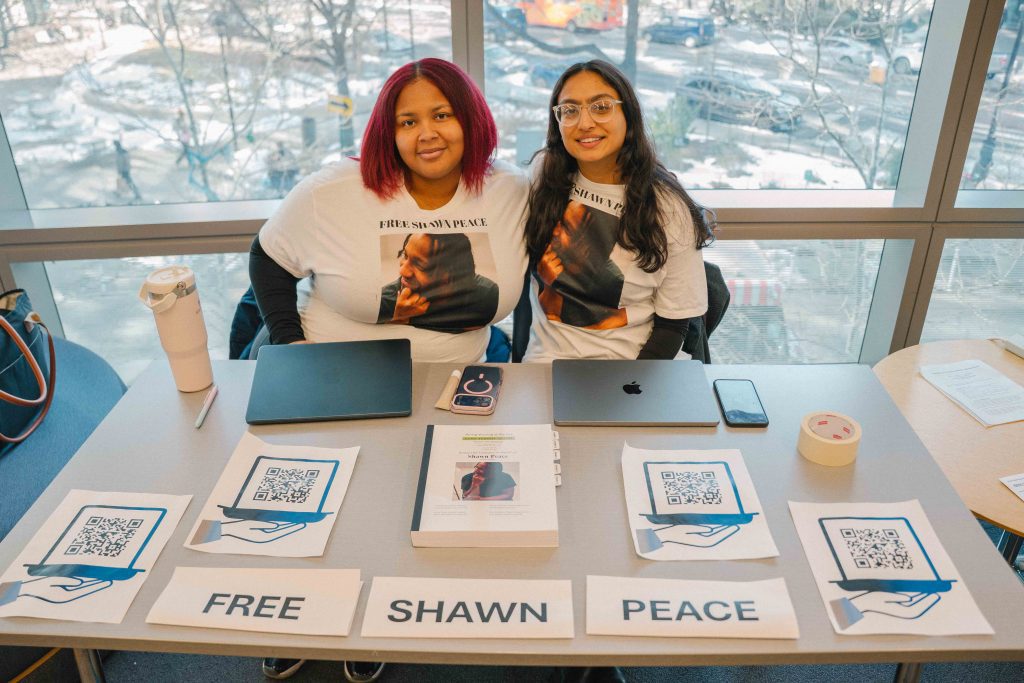
Charise Peace spoke about her brother, Sean Peace, who is serving a 110-year sentence for crimes committed as a young man. She described the difficult decision she made years earlier to report her brother to authorities when she feared for his safety and future, believing the legal system would provide accountability and an opportunity for rehabilitation.
Peace explained that her brother’s clemency petition was prepared by students in the Defenders Clinic’s Second Look Project. Students worked with faculty and community advocates to compile documentation of his work and growth during incarceration.
“For people who are serving these sentences, there is currently no meaningful process for review,” she said. “The Second Look Act would create that opportunity.”
The symposium also featured remarks from New York State Assembly Member Latrice M. Walker, a sponsor of the Second Look legislation, and Ebony Young, Queens Deputy Borough President representing Queens Borough President Donovan Richards. Both speakers emphasized the role that sentencing policy plays in shaping community health and family stability and the need for courts to recognize and value redemption.
Throughout the discussion, speakers highlighted the broad coalition supporting the legislation, including judges, former corrections officials, advocacy organizations, and legal associations.
For CUNY Law students involved in the Second Look Project, the symposium reflected work that is already underway. Through the law school’s clinical program, students review case records, assist in drafting clemency petitions and legal motions, communicate with incarcerated clients and their families, and collaborate with community partners advocating for sentencing reform.
The event concluded with a call for continued engagement as the legislation moves through the New York State Legislature.
Organizers encouraged attendees to contact their state representatives and to participate in upcoming advocacy efforts, including a statewide mobilization in Albany planned for May.
At CUNY Law, the legal questions raised by the Second Look Act are deeply connected to the school’s clinical approach to legal education. Through the Second Look Project, students work directly with incarcerated clients and their families while partnering with community advocates and organizers working to change New York’s sentencing laws. Their work contributes to a growing statewide movement pushing for racial justice, meaningful sentence review, and reform of the criminal legal system.